This is a flip side article which follows on from the article “how to manage diseased lawns in a lawn mowing round”. The single most crucial factor when trying to manage diseased lawns in a lawn mowing round is to stop cross contamination between the different lawns that we mow each day. In essence we don’t use lawn mowing equipment on clean lawns that we have previously used on diseased lawns.
We manage our lawn mowing rounds in ways that isolate the different lawns we mow, we separate the clean from the diseased, and we wash our lawn mowing equipment meticulously every day and sometimes multiple times per day as a vital part of preventing the spread of lawn disease across many different lawns.
Keeping separate mowers for diseased and clean lawns also helps us to isolate lawns.
While Australia is ravaged by a lawn disease epidemic that has no end in sight, the root cause of this epidemic is the Sir Walter variant of buffalo grass, which is extremely prone to developing lawn disease, and that lawn disease then spreads onto other lawns. The sole blame for this lawn disease epidemic in Australia rests solely on Sir Walter buffalo grass.
Yet we as lawn mowing contractors cannot ignore this threat to all of our customers lawns who don’t grow that horrible grass. It is our responsibility to do everything we possibly can to prevent the spread of disease from infected Sir Walter lawns in our rounds onto all other lawns in our rounds.
Now that we’ve recapped on the basics of the lawn disease epidemic in Australia, and what we must do to help isolate and try to stop the spreading of disease onto other lawns, let's go to the flip side of the consequences of washing our lawn mowing equipment every day and even multiple times per day.
Lawn Mower Damage From Frequent Washing
The lifespans of different lawn mowing equipment can be shortened as a result of frequent washing, this will predominantly be seen with equipment that is not truly commercial, some domestic machines can fall apart very quickly from regular washing, while semi-commercial machines can last longer though damage will appear on different parts of the machine, and commercial lawn mowers will also suffer through various frequent damage.
Overall we will need to replace our lawn mowers more frequently.
Rust will appear on all steel parts which are not of a grade which can resist rust. Alloy decked lawn mowers will still have steel sections at the rear which can rust out and be destroyed depending on the brand and model of the lawn mower.
Steel bolts that go into alloy decks can also become rusted or deteriorate or seize into place, that they might break when we try to take those bolts out.
All other steel screws and bolts risk rusting or seizing.
It might be worthwhile coating some screws and bolts with WD40 if we have taken them out for any reason, and before we put them back into the lawn mowers again.
The spring on the rear flap of some mowers, and the height adjustment spring on the sides of lawn mowers can rust out and need replacing.
Wheel bearings on domestic lawn mowers will be destroyed at speed from regular lawn mowing, and they will keep being destroyed no matter how we treat them or how many times we keep replacing them.
Axle bearings on all lawn mowers will eventually be destroyed too.
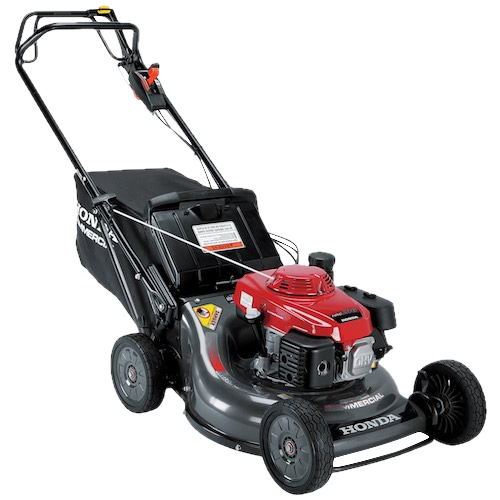
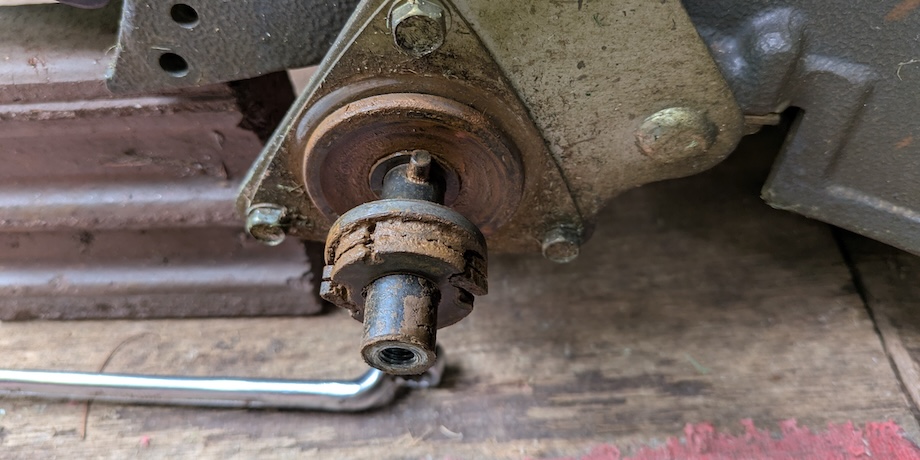
The self propelled wheel assemblies on commercial lawn mowers such as the Honda HRU216 are at high risk from regular repeated damage. Wheel ratchets will be destroyed, steel dust covers and axle pins likewise.
It can be a wise choice to buy parts such as wheel ratchets from an aftermarket supplier, as these will be much cheaper than the exorbitant prices of genuine parts. This will matter a lot if we need to replace wheel ratchets regularly due to regular washing of lawn mowers.
While machines like the commercial 3 wheeled lawn edgers are built like tanks, regular daily washing of the wheels only can spread water elsewhere around the frame, and can lead to rust developing in other susceptible places.
All of this damage is directly caused by us having to do everything we possibly can to manage the diseased lawns in our lawn mowing rounds, so that it doesn’t spread from infected lawns to clean lawns, yet the responsibility for this entire lawn disease epidemic spanning decades across Australia is due solely to Sir Walter buffalo grass.
Cordless Electric Lawn Mowers
I don’t want to write in ignorance here. I have no experience with cordless electric lawn mowers, so I want to write carefully and be open about my lack of knowledge on this topic.
However from my personal experience over many years, every time I’ve gone to look into cordless electric lawn mowers as a possible option to bring into service in my business, I have always come across the same stumbling block with every mower that I’ve researched in the past.
That stumbling block is clear instructions from manufacturers to never wash these lawn mowers with water, but to wipe them clean with a brush. Obviously this then makes these lawn mowers of no use whatsoever to me when I must wash lawn mowers every single day and sometimes multiple times per day in order to manage the great Australian lawn disease epidemic.
It has been some years since I last researched these lawn mowers, so it is possible that these deficiencies in the most important facet required to manage lawn disease in a commercial lawn mowing round, the need for regular washing of lawn mowers with water, might have become a solved problem, and if that is the case, then go ahead and ignore these words.
But I can’t not write these cautions when I write this specific article.
If he is considering buying one of these machines the lawn mowing contractor should research for himself how waterproof they are and how resistant they are to water damage to their electrical parts, especially if the lawn mower needs to be washed with water once or even more often each day.
all articles and images are © copyright
thelawnmowingman.com